The browser you are using is not supported. Please consider using a modern browser.


Preconstruction Planning: What Impacts Time-to-Market
In commercial construction, time-to-market is more than a schedule. It is the difference between opening on time and losing revenue before the doors ever open. For owners, operators, franchisees, developers, and growing brands, every delay can affect staffing, marketing, lease obligations, customer expectations, and business performance. That is why preconstruction planning matters.
At Infinity Building, we help clients evaluate cost, feasibility, scope, schedule, site conditions, and construction risks before work begins. The goal is to create a clear path from early planning to opening day with fewer surprises along the way. Preconstruction is where time-to-market is protected.
Why Time-to-Market Starts Before Construction
A project does not fall behind only when work starts in the field. Many delays begin earlier, during planning.
Unclear scope, incomplete drawings, unrealistic budgets, permitting issues, long-lead materials, site constraints, lease requirements, and missed coordination items can all create delays before construction begins.
Preconstruction planning helps identify those issues early. A strong preconstruction process gives owners a better understanding of:
- What the project will require
- What the project may cost
- How long the build may take
- What risks could affect the schedule
- What decisions need to be made before construction starts
The earlier these questions are answered, the easier it is to protect the timeline.
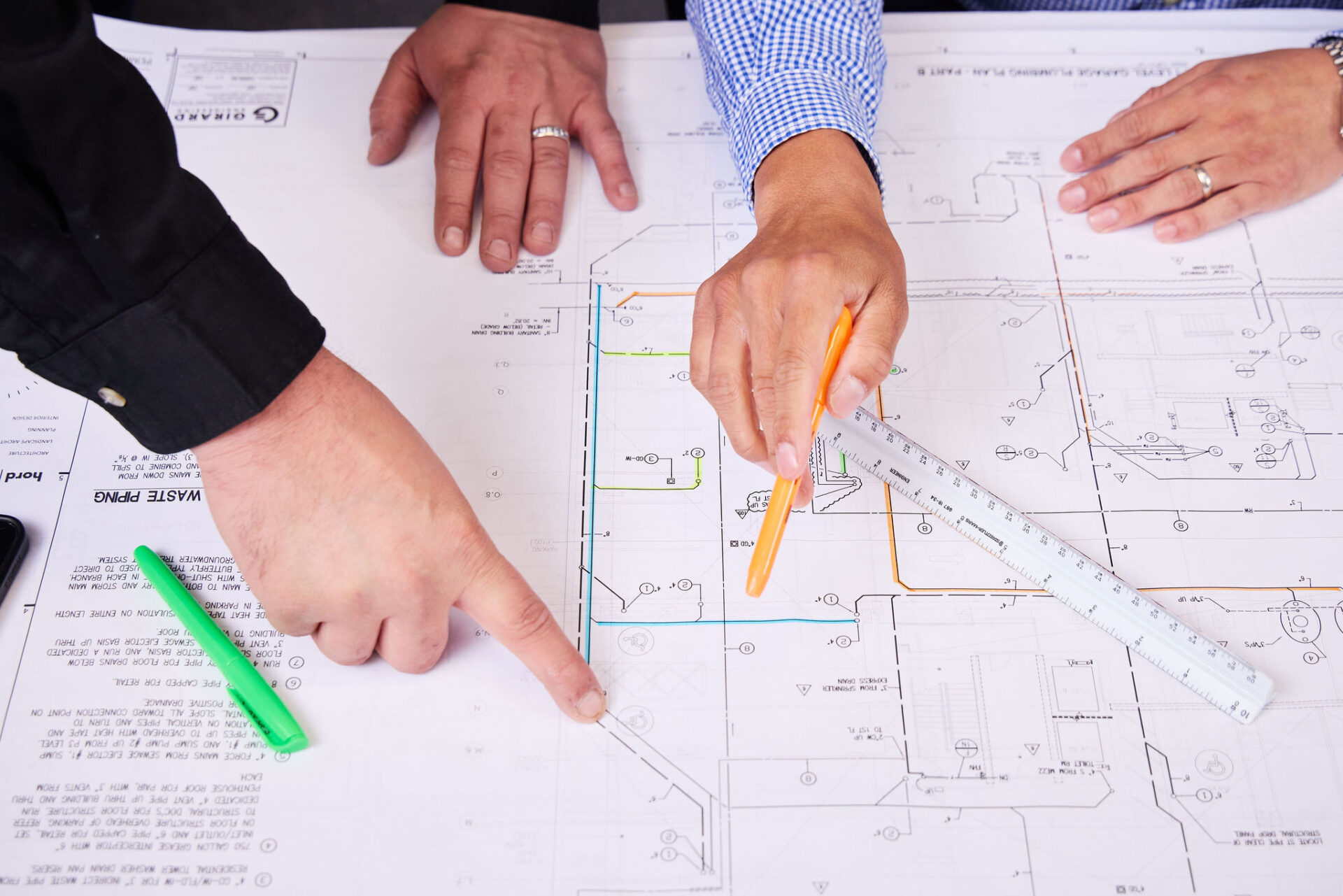
Cost Clarity and Budget Alignment
Budget uncertainty is one of the most common causes of schedule disruption. When a commercial construction budget is not developed carefully, owners may face late-stage cost increases, redesigns, scope changes, or delayed approvals. Each of those issues can slow the project down.
Preconstruction planning helps create better cost clarity before construction begins.
Infinity Building supports commercial construction budgeting by reviewing project scope, drawings, site conditions, subcontractor input, material considerations, and schedule requirements. This helps clients understand whether the budget aligns with the project goals early enough to make informed decisions. Cost clarity helps protect time-to-market because it reduces the chance of major budget corrections once the project is already moving.
Feasibility and Site Conditions
Not every site is ready for the project a client wants to build.
A space may look right from a business perspective, but existing site conditions can affect cost, schedule, permitting, and constructability. Utilities, access, structural limitations, existing systems, landlord requirements, code issues, and delivery logistics can all influence the project timeline.
That is why feasibility review is a critical part of preconstruction planning.
Infinity Building helps clients evaluate practical construction conditions before major commitments are made. This is especially important for restaurants, retail stores, healthcare spaces, childcare facilities, office interiors, tenant improvements, and multi-location rollouts.
A feasibility review may identify:
- Site or building conditions that affect construction
- Utility or infrastructure limitations
- Access and staging challenges
- Permitting or inspection considerations
- Lease-related construction obligations
- Scope items that need clarification
Understanding these issues early helps clients avoid choosing a site or schedule that creates unnecessary risk.
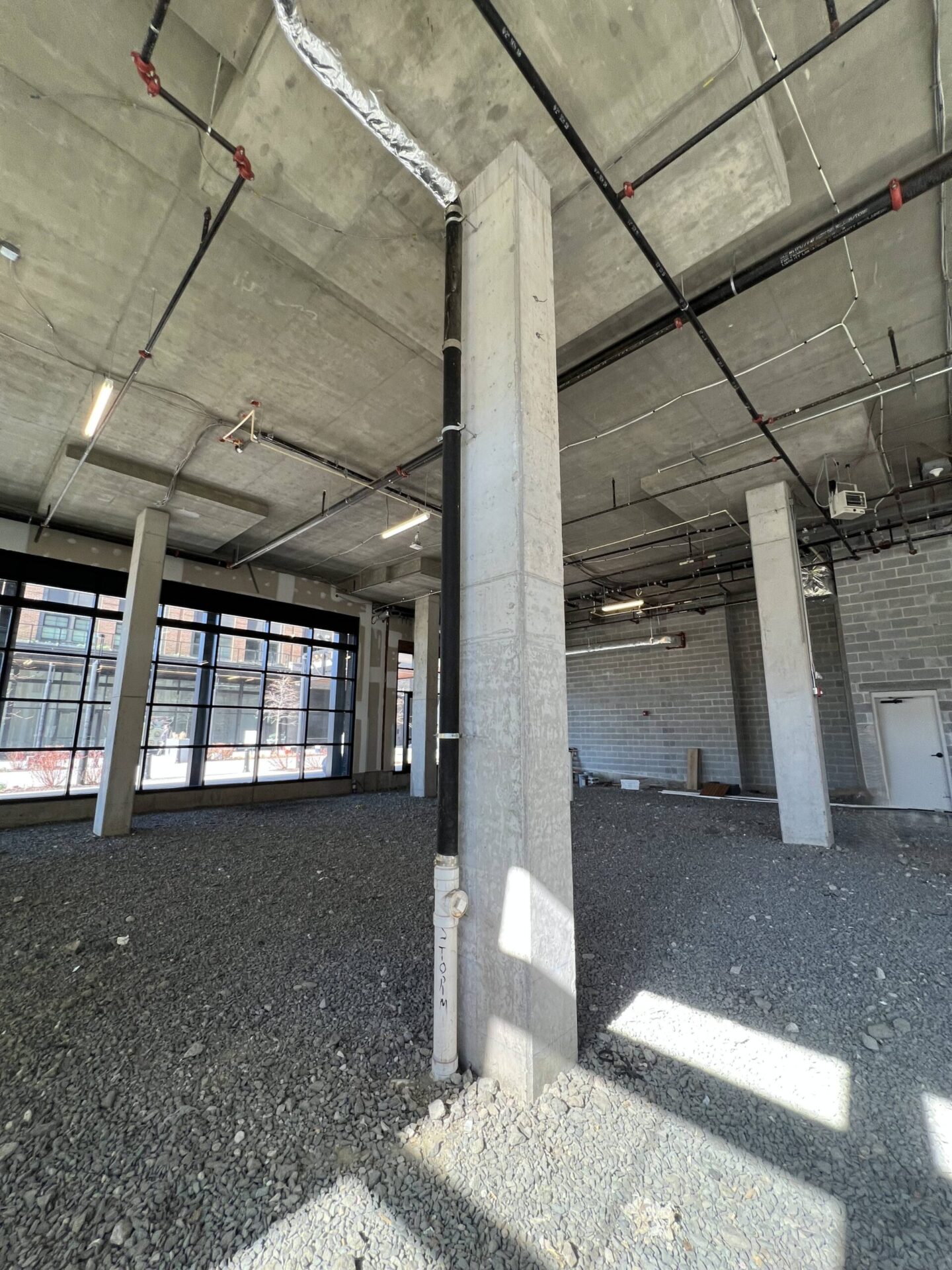
Permitting, Approvals, and Jurisdictional Requirements
Permitting can have a major impact on time-to-market. Commercial projects may involve building permits, trade permits, health department approvals, fire marshal review, zoning considerations, signage permits, landlord approvals, or other jurisdictional requirements depending on the project type and location.
If these requirements are not identified early, they can create delays that affect the entire schedule. Preconstruction planning helps project teams understand what approvals may be needed, when they should be started, and how they may affect the construction timeline.
For businesses with opening dates tied to revenue, permitting cannot be treated as an afterthought. It needs to be built into the schedule from the beginning.
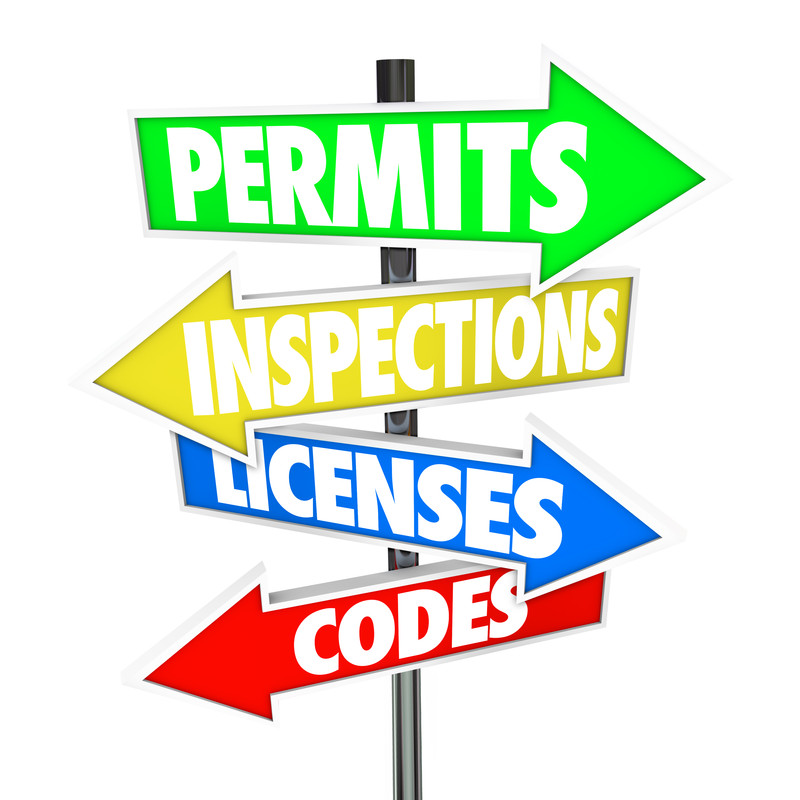
Scope, Drawings, and Constructability
Clear scope is one of the strongest tools for protecting time-to-market. When scope is incomplete or drawings leave too many open questions, construction can slow down. Field teams may need clarification. Subcontractors may price work differently. Owners may need to make late decisions. Change orders may increase.
A constructability review helps reduce those risks. Infinity Building reviews project documents through a contractor’s lens to identify gaps, conflicts, unclear details, and field conditions that could affect the build. The goal is to resolve issues before they show up in the field.
Constructability review can help identify:
- Scope gaps
- Drawing conflicts
- Sequencing concerns
- Trade coordination issues
- Long-lead items
- Field conditions that may affect schedule
The earlier these items are addressed, the smoother the construction phase can be.
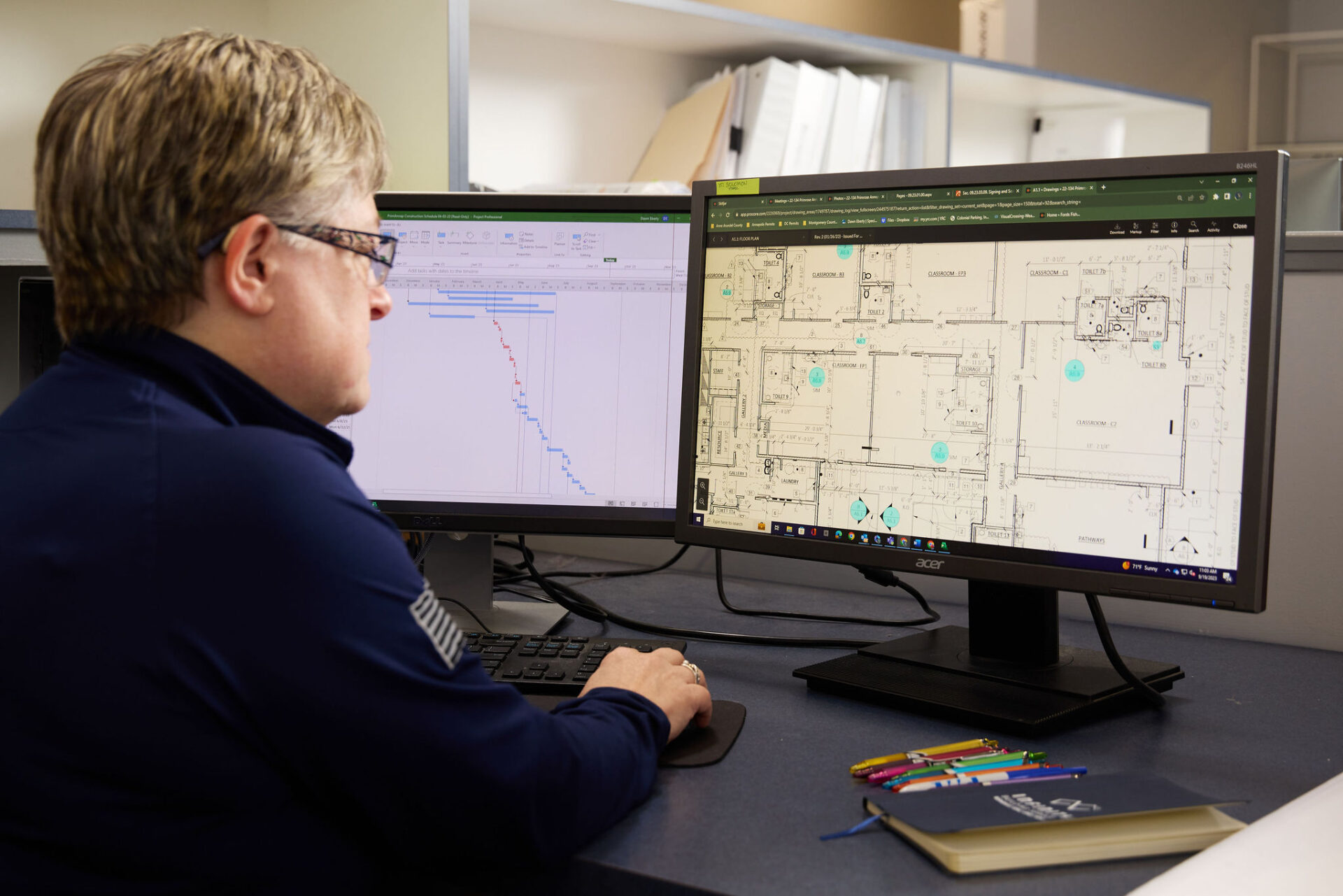
Value Engineering Without Losing Momentum
Value engineering is often misunderstood.
It is not about cutting corners. It is about finding smarter ways to reach the project goal while protecting cost, schedule, quality, and long-term functionality. During preconstruction, value engineering can help clients evaluate materials, methods, systems, sequencing, and scope decisions before construction begins. This gives owners time to compare options without slowing the project later.
When done early, value engineering can support time-to-market by reducing budget pressure, improving constructability, and helping the team make decisions before the schedule is at risk. Late value engineering, however, can create delays. That is why it belongs in preconstruction, not after construction has already started.

Long-Lead Items and Procurement
Some schedule risks come from items that need to be selected, approved, ordered, fabricated, or delivered well before they are installed.
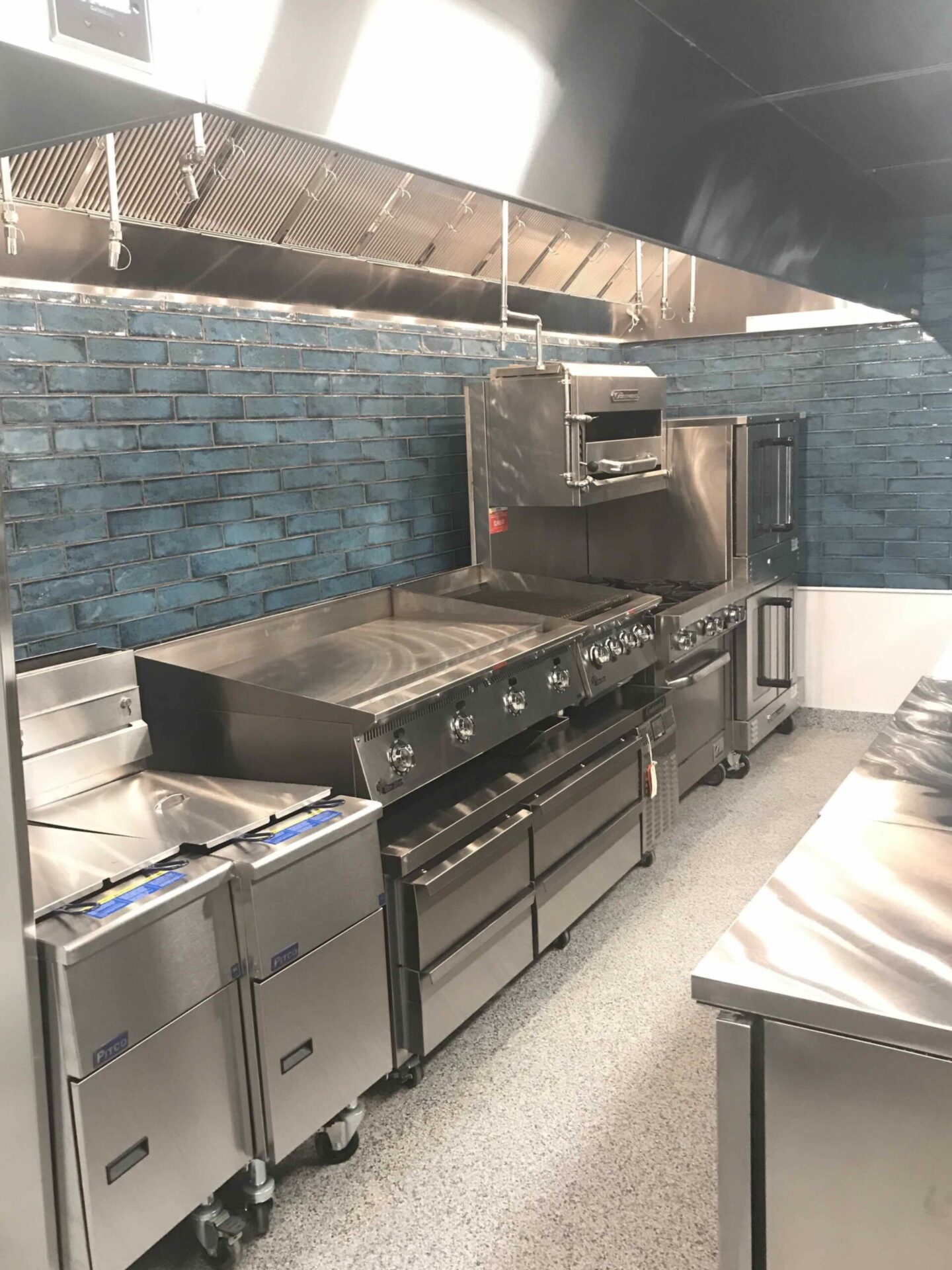
Long-lead materials, equipment, specialty finishes, fixtures, signage, millwork, mechanical equipment, kitchen equipment, and other project-specific items can all affect the schedule if they are not identified early. Preconstruction planning helps the project team understand which items may require early decisions.
This is especially important for restaurant construction, retail construction, healthcare spaces, childcare facilities, franchise builds, and branded commercial environments where equipment packages, finish standards, or vendor coordination may be tied to opening dates. The sooner these items are identified, the better the team can protect the construction schedule.
Coordination With Owners, Landlords, Architects, and Vendors
Time-to-market depends on coordination.
Commercial construction usually involves more than the owner and contractor. It may also involve architects, engineers, consultants, landlords, property managers, franchise teams, vendors, equipment suppliers, inspectors, and local authorities. If these parties are not aligned early, construction can slow down. Infinity Building uses preconstruction to clarify roles, identify decision points, coordinate expectations, and reduce confusion before work begins. This helps keep the project moving once construction starts.
Strong coordination helps answer important questions early:
- Who needs to approve the scope?
- What does the landlord require?
- What vendor items affect the schedule?
- What decisions are needed before mobilization?
- What inspections or approvals need to be planned around?
A clear communication structure helps prevent small issues from becoming schedule problems.
Industries Where Time-to-Market Matters Most
Time-to-market matters in every commercial project, but it is especially important in spaces tied directly to revenue, occupancy, and operations.
Infinity Building commonly supports:
- Restaurants and food service spaces
- Retail stores and branded environments
- Healthcare and medical offices
- Childcare and early learning centers
- Office interiors and tenant improvements
- Franchise and multi-location rollouts
- Commercial renovations and buildouts
- Ground-up commercial construction
Each project type has different requirements, but the goal is the same: plan early, reduce uncertainty, and keep the path to opening as clear as possible.
How Infinity Building Supports Preconstruction Planning
Infinity Building approaches preconstruction with practical construction insight and operational awareness. We understand that clients are not just building spaces. They are opening locations, scaling brands, serving customers, and protecting investments. Our preconstruction process is built around four priorities:
Evaluate
We review the project goals, site conditions, scope, budget expectations, schedule needs, and business priorities.
Clarify
We identify risks, unknowns, coordination needs, cost considerations, and constructability issues before they affect the field.
Plan
We develop budget guidance, schedule input, feasibility recommendations, value engineering options, and practical next steps.
Prepare
We align the project team so construction can begin with stronger communication, fewer open questions, and a clearer path to completion.
Protect the Timeline Before Construction Starts
The best way to protect time-to-market is to address risk before construction begins. Preconstruction planning helps owners understand cost, feasibility, schedule, permitting, site conditions, constructability, and coordination needs early enough to make better decisions. If you are evaluating a site, planning a commercial build, reviewing a lease, preparing a tenant improvement, or managing a multi-location rollout, Infinity Building can help you create a clearer path forward. Contact Infinity Building to discuss your project and start planning with greater confidence from day one.
Let's Hit The Ground Running
Frequently Asked Questions
-
Preconstruction planning helps owners identify cost, permitting, site, schedule, procurement, and constructability issues before they affect the build. By resolving these issues early, the project team can reduce delays between site selection, construction start, and final turnover.
-
Owners should evaluate existing conditions, utility capacity, code requirements, landlord obligations, permitting timelines, access, delivery logistics, buildout limitations, budget alignment, and construction schedule risk before committing to a site or lease.
-
A commercial general contractor can identify constructability issues, cost impacts, schedule risks, procurement concerns, and scope gaps before drawings are finalized. This helps owners make practical decisions early and avoid redesign, change orders, or delays later.
-
Preconstruction connects construction planning to business outcomes like opening dates, revenue timelines, staffing, marketing, customer experience, and operational readiness. This helps the project team make decisions based on both construction requirements and business impact.