The browser you are using is not supported. Please consider using a modern browser.


How to Evaluate a Commercial General Contractor for New Construction
Selecting the right commercial general contractor can determine the success of a construction project long before work begins. Infinity Building helps owners, developers, landlords, and multi-location brands evaluate feasibility, control costs, manage risk, and accelerate project delivery through disciplined preconstruction planning, transparent communication, and process-driven execution. Our team focuses on accountability, schedule certainty, and business outcomes to move projects from planning to completion with confidence.
Why Contractor Evaluation Matters Before Construction Starts
New construction projects involve many moving parts: site conditions, budgets, schedules, permits, subcontractors, materials, utilities, inspections, brand standards, and turnover requirements. When those elements are not evaluated early, small gaps can become expensive problems later.
A strong commercial general contractor helps bring clarity before commitments are made. That includes identifying constructability concerns, aligning expectations, reviewing budgets, and helping the project team understand what is realistic before the construction phase begins.
The goal is not just to hire a builder. The goal is to choose a partner who can protect the investment, keep the project moving, and support the business timeline tied to opening, operating, or expanding a location.
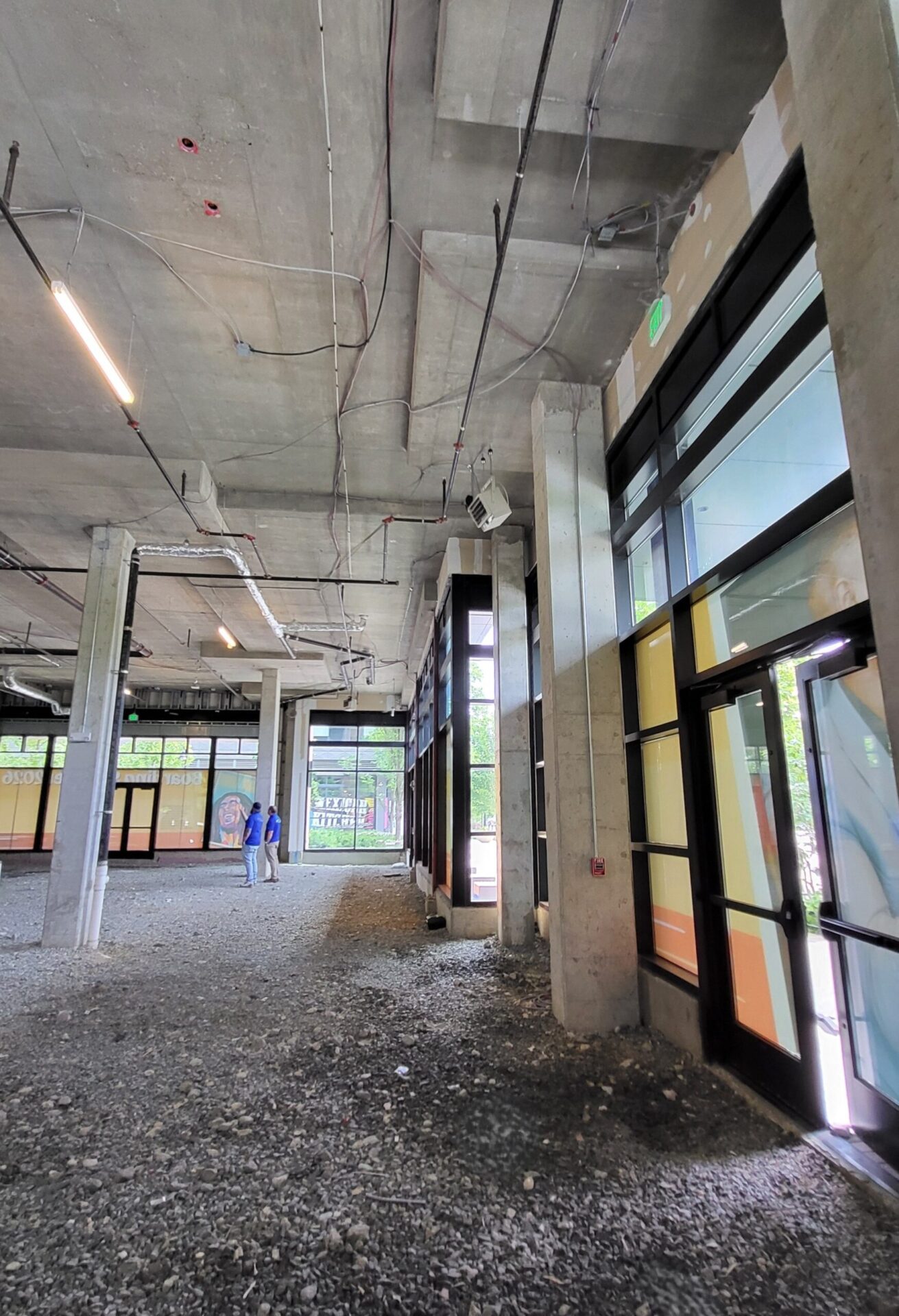
Start With Preconstruction Experience
Preconstruction is one of the clearest indicators of how a contractor will perform once work is underway. A contractor with strong preconstruction experience can help identify scope gaps, pricing issues, schedule constraints, and feasibility concerns before they become field problems.
When evaluating a commercial general contractor, ask how they approach early planning. Their answer should be specific and process-driven. Look for experience with site evaluations, budget development, value engineering, schedule planning, permitting coordination, and collaboration with architects and consultants.
The best way to control cost and timeline is before construction starts. A contractor who treats preconstruction as a formality may miss the very issues that determine whether the project can be delivered on time and within budget.
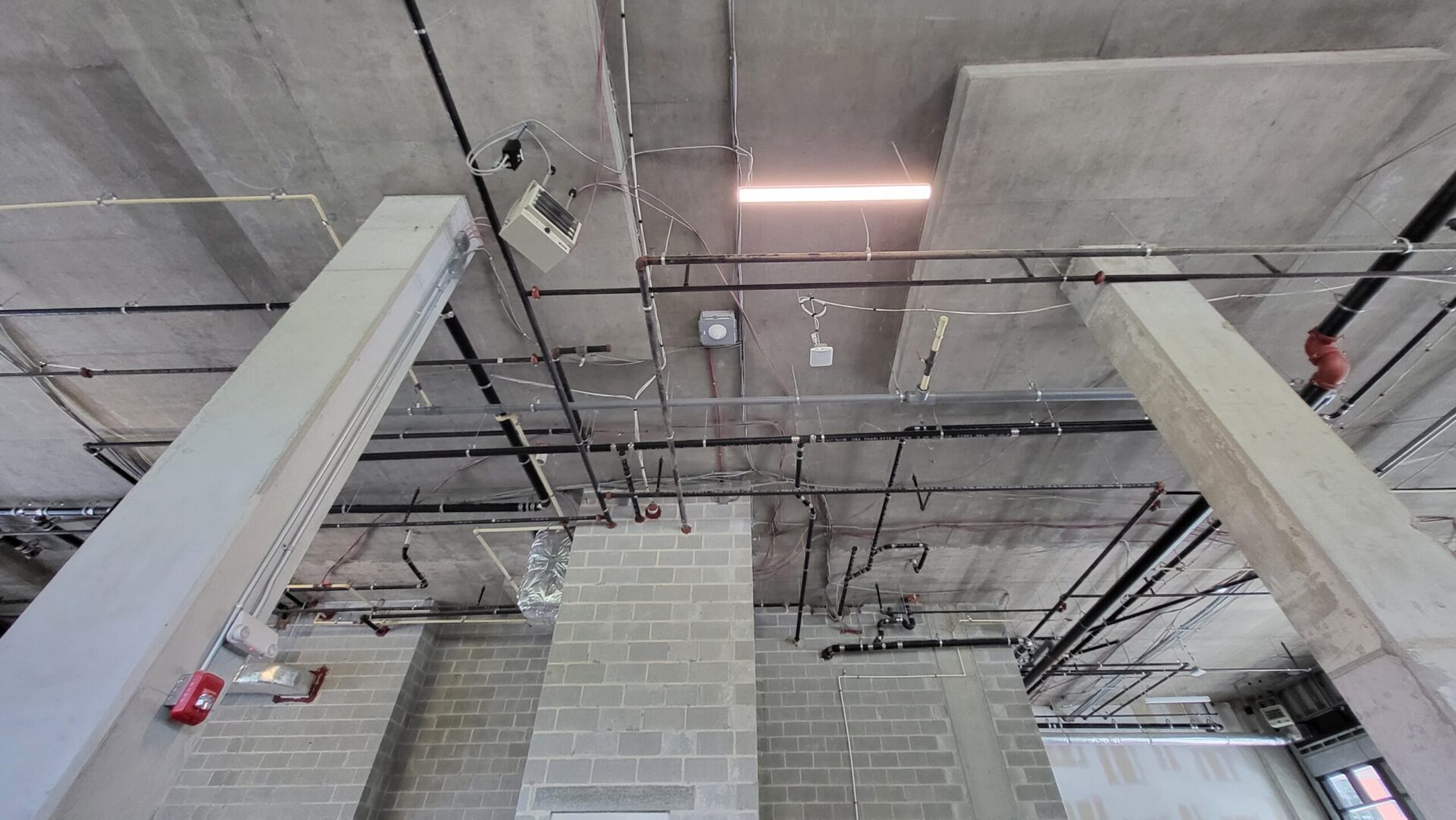

Evaluate Budget Transparency
Cost is always a major consideration, but the lowest number is not always the best number. A proposal that looks attractive upfront can become costly if it lacks detail, excludes key scope, or fails to account for project realities. When reviewing a contractor, look for budget transparency. A qualified commercial general contractor should be able to explain what is included, what assumptions were made, where allowances exist, and where potential cost risks may appear. Owners should be cautious of vague pricing, unclear line items, or contractors who cannot explain how they arrived at their numbers. Budget confidence comes from visibility, not guesswork.
- Detailed scope breakdowns
- Clear assumptions and exclusions
- Transparent allowances
- Early identification of cost risks
- Value engineering recommendations
- A willingness to explain budget decisions clearly
Understand Their Process From Planning to Turnover
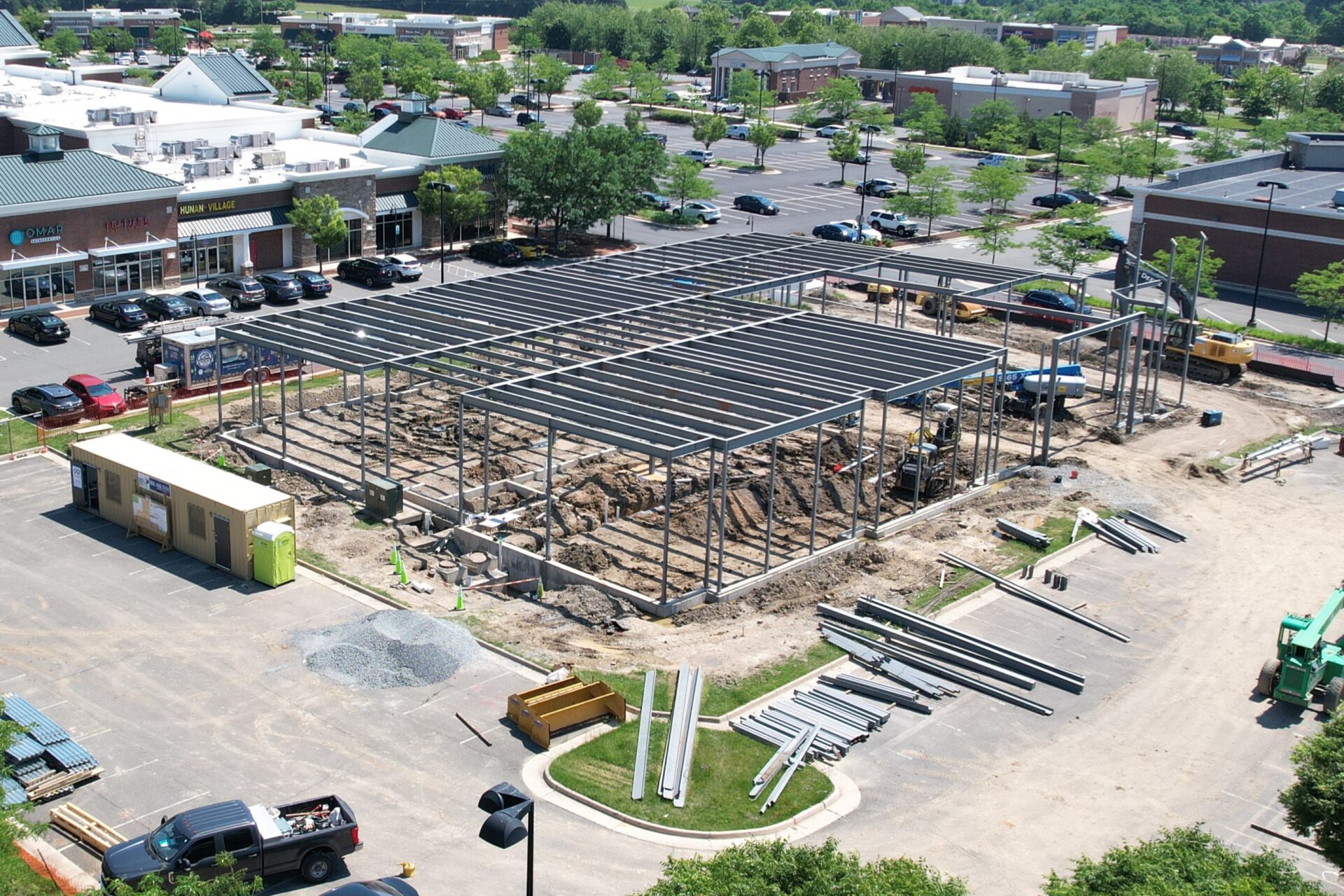
1. Plan
Evaluate project goals, site conditions, scope, budget requirements, and feasibility concerns.
2. Prepare
Align pricing, scheduling, permitting support, subcontractor coordination, and constructability input before field work begins.
3. Build
Manage construction with direct communication, disciplined oversight, and clear accountability.
4. Deliver
Complete the project with attention to quality, turnover readiness, and long-term client trust.
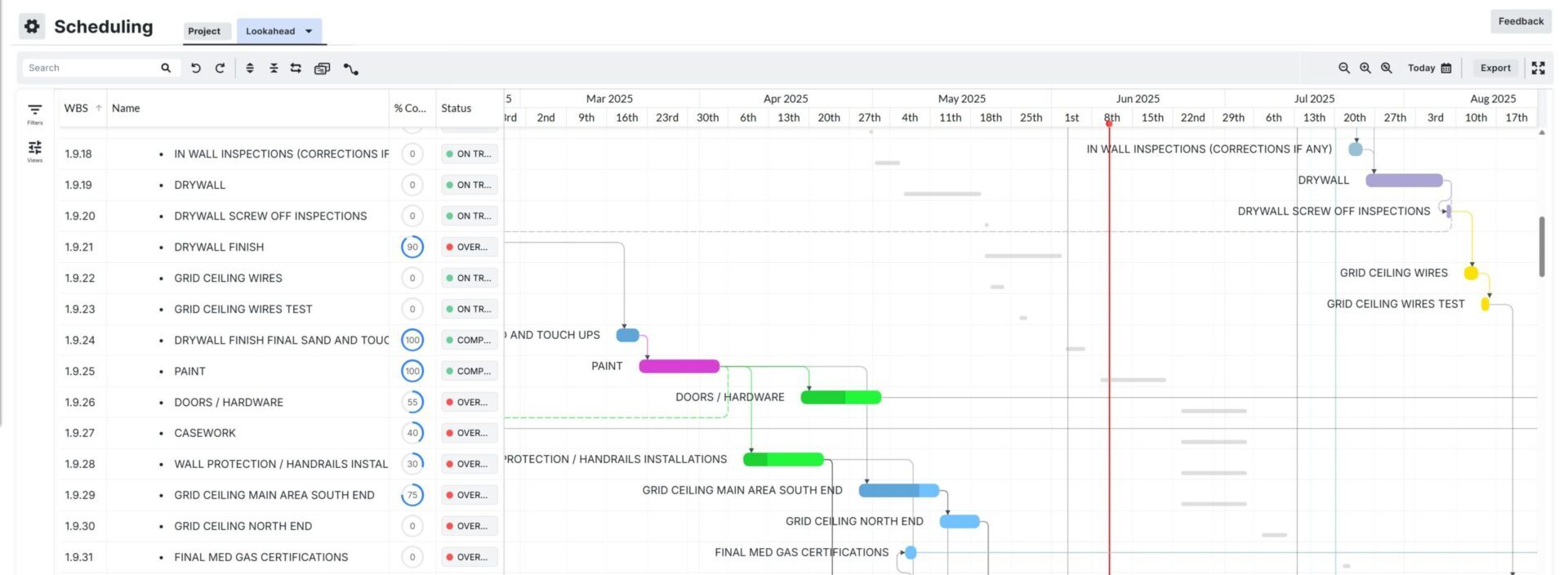
Look Closely at Schedule Management
For commercial projects, time matters because every delay has a business impact. A delayed opening can affect revenue, staffing, marketing, lease obligations, and customer experience. That is why schedule management should be a major part of contractor evaluation. A strong contractor should be able to discuss the project timeline in practical terms. They should understand lead times, sequencing, inspections, permitting considerations, subcontractor coordination, and turnover requirements. They should also be able to explain where delays are most likely to occur and how they plan to manage them. A realistic schedule is more valuable than an optimistic promise. Look for a contractor who is direct about constraints and proactive about solutions.
Review Relevant Commercial Experience
Not all construction experience translates to commercial new construction. Owners should look for a contractor with relevant experience in the type of space being built, the operating requirements of the business, and the level of coordination the project demands. Infinity Building commonly supports restaurants, retail brands, healthcare providers, childcare operators, office interiors, franchise businesses, and multi-location clients. These environments require construction knowledge, but they also require operational awareness. The contractor must understand that construction decisions affect opening dates, revenue timelines, brand standards, compliance, and customer experience. Ask for examples of similar work, repeatable build programs, or projects where schedule, budget, and operational continuity were critical.

Assess Communication and Accountability
Commercial construction requires consistent communication. Owners should not have to chase updates, interpret vague responses, or guess where the project stands. During the evaluation process, pay attention to how the contractor communicates before they are hired. That often reflects how they will communicate once the project is active.
A dependable commercial general contractor should be responsive, clear, and accountable. They should explain their process, identify the right points of contact, and provide a straightforward path for decisions, updates, and issue resolution.
Who will manage the project day to day?
How often will updates be provided?
How are schedule or budget changes communicated?
How are decisions documented?
How quickly does the team respond when issues arise?
The right contractor does not pass problems around. They own them, solve them, and keep the project moving.
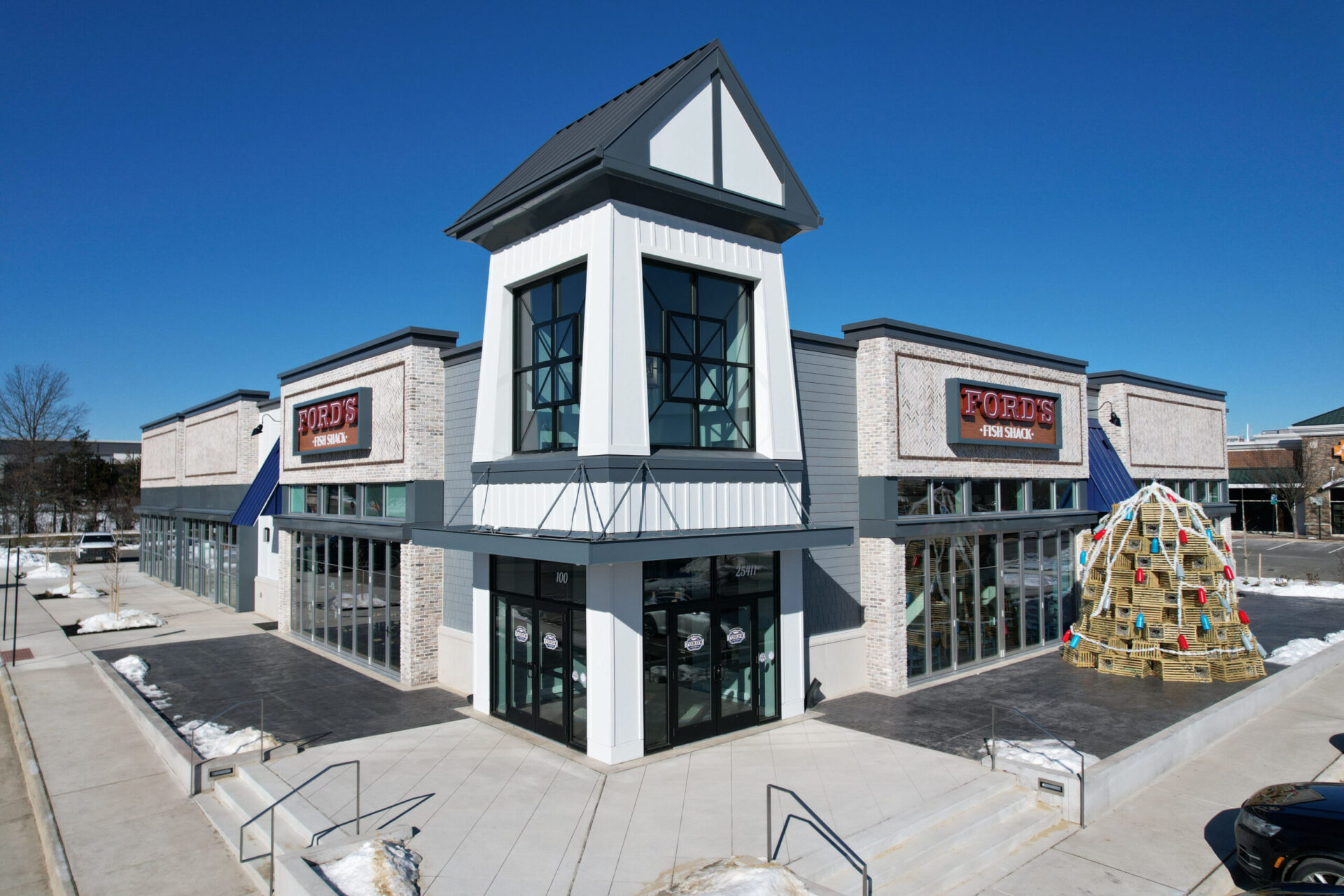
Review Relevant Commercial Experience
Not all construction experience translates to commercial new construction. Owners should look for a contractor with relevant experience in the type of space being built, the operating requirements of the business, and the level of coordination the project demands.
Infinity Building commonly supports restaurants, retail brands, healthcare providers, childcare operators, office interiors, franchise businesses, and multi-location clients. These environments require construction knowledge, but they also require operational awareness. The contractor must understand that construction decisions affect opening dates, revenue timelines, brand standards, compliance, and customer experience.
Ask for examples of similar work, repeatable build programs, or projects where schedule, budget, and operational continuity were critical.

Questions to Ask Before Hiring a Commercial General Contractor
What preconstruction services do you provide before construction starts?
How do you evaluate feasibility, cost, and schedule risk?
How detailed is your budgeting process?
How do you handle value engineering?
Who manages communication during the project?
How do you protect timelines when delays or changes occur?
What experience do you have with similar commercial projects?
Can you support repeatable or multi-location build programs?
How do you manage closeout and turnover?
Ready to Evaluate Your Next Commercial Build?
If you are planning a new construction project, the contractor you choose should bring clarity before construction begins. Infinity Building helps owners, operators, developers, and growing businesses evaluate project feasibility, control cost and schedule risk, and move forward with confidence. Contact our team to discuss your project, evaluate a site, or begin preconstruction planning with a commercial general contractor built around accountability, transparency, and disciplined execution.
Frequently Asked Questions
-
Look for relevant commercial experience, transparent budgeting, strong preconstruction capabilities, clear communication, schedule discipline, and a process that supports the project from planning through turnover.
-
Preconstruction helps identify cost, feasibility, schedule, and constructability issues early so owners can make informed decisions before work begins.
-
Not always. A low bid may exclude important scope or include assumptions that create cost risk later. Owners should evaluate clarity, completeness, and accountability, not price alone.
-
A contractor can reduce delays through realistic scheduling, proactive coordination, permitting support, early issue identification, and consistent communication.
-
Yes. Infinity Building supports franchise, retail, restaurant, healthcare, childcare, office, and multi-location commercial environments that require consistency, speed, and operational alignment.